Why Every New Teacher Needs a Classroom Management Plan Before Day One
If you’re about to start your first year of teaching, there’s one piece of advice I’ll always give you: don’t wait until students arrive to figure out how you’ll manage your classroom. Having a solid classroom management plan in place before the first day of school is one of the most important things you can do to set yourself up for a successful year. Your future self will thank you.
Let’s be honest, most new teachers aren’t taught how to manage a classroom. They’re told to set clear expectations, build relationships, and reinforce routines, but not exactly how to create a plan that pulls all of those elements together. That’s what we’re going to walk through today. This post will give you a practical, step-by-step breakdown of what a classroom management plan should include, common mistakes to avoid, and how to implement it all in a way that works for you. I’ll also share a few favorite resources that can support you without overwhelming you. Ready? Let’s get into it.
If you’re looking for support in creating your first day of school plan, drop your name and email below. I’ll send you a FREE guide to help you plan!
Why You Need a Classroom Management Plan
Classroom management isn’t just about handling behavior. It’s about creating a classroom where students feel safe, respected, and ready to learn. A solid plan helps you stay calm and confident because you’ve already made the hard decisions in advance. You’re not reacting in the moment; you’re simply following through on the structure you’ve already created.
When students walk into a classroom where the expectations are clear, the routines are consistent, and the teacher is steady, they’re more likely to meet those expectations. And when things do go off-track (because they will), you’ll be prepared to handle it.
What to Include in Your Classroom Management Plan
Every classroom management plan will look a little different depending on your grade level, teaching style, and school expectations. But most effective plans include the following components:
1. Clear Rules and Expectations
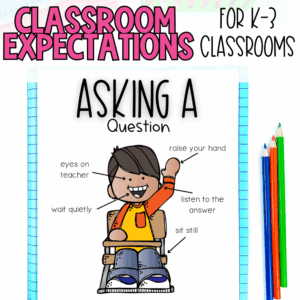
You’ll want to stick to 3–5 classroom rules, written in simple, positive language. These are the overarching expectations that guide all student behavior in your classroom. For example:
- Follow directions the first time.
- Make smart choices.
- Respect yourself, others, and our classroom.
Your rules should be developmentally appropriate and easy for students to understand. Keep in mind that these rules need to be taught, modeled, practiced, and reinforced, not just posted on a wall. The way you teach your rules matters just as much as the rules themselves. If you’re looking for visuals to support this process, my Classroom Rules Posters include editable rule posters that align with this approach.
2. Daily Routines and Procedures
Students thrive in classrooms with predictable routines. You’ll need to decide how things work from the moment students walk in the door. Some of the routines to plan in advance include:
- Morning arrival and unpacking
- Bathroom and water breaks
- Transitions between activities
- Turning in work
- Asking for help
- End-of-day dismissal
Your procedures will vary based on your teaching environment, but the goal is the same: eliminate confusion so students can focus on learning. Write out each procedure in detail and plan to teach them the same way you would an academic skill. Repetition, modeling, and practice are key.
To support new teachers in this process, I created a Classroom Routines and Procedures Slides resource on TPT. It’s a set of editable slides designed to help you explicitly teach routines in a clear, visual way during the first few weeks of school.
3. Behavior Management Systems
Once you’ve established your rules and routines, think about how you’ll encourage students to follow them. Your behavior management system can be simple, but it should be consistent. Here are a few elements to consider:
- How will you acknowledge positive behavior?
- What will your response be when rules are broken?
- Do you want a class-wide incentive system?
Many new teachers use whole-class incentives like mystery rewards or behavior bingo to build classroom community and reinforce expectations. These types of systems can be powerful, especially in the first few weeks of school.
You’ll also want a plan for documenting behavior and communicating with families. Having a simple behavior tracker or communication log can make this easier and help you stay organized when things get busy.
4. Student Engagement Strategies
An engaging classroom is a well-managed classroom. When students are interested in what they’re doing, they’re far less likely to act out. Your classroom management plan should include strategies for keeping students engaged throughout the day, such as:
- Providing frequent opportunities to respond
- Using partner or group work
- Incorporating movement and brain breaks
- Offering choices within assignments
Engagement isn’t a replacement for rules, but it works hand-in-hand with the rest of your plan to prevent misbehavior before it starts.
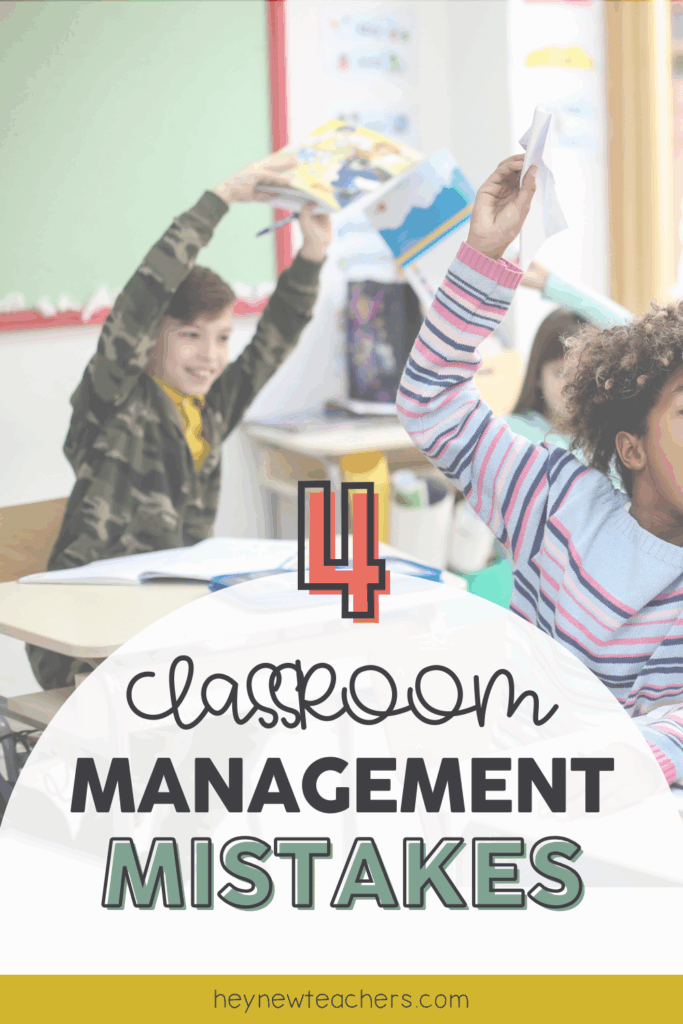
Common Mistakes New Teachers Make (and How to Avoid Them)
It’s completely normal to learn as you go, but a few common pitfalls can make classroom management harder than it needs to be. Here are some mistakes to watch for, and how to fix them:
Waiting too long to plan
Don’t assume you’ll figure it out as you go. The more you can prepare ahead of time, the more confident you’ll feel in those first few weeks. Write out your plan, even if you know you’ll revise it later.
Making things too complicated
Stick to a few rules, one or two behavior systems, and clear routines. The simpler your plan, the more likely you’ll be to follow through, and the easier it will be for students to remember.
Being inconsistent
If you praise behavior one day and ignore it the next, students get mixed messages. Consistency doesn’t mean being rigid, but it does mean following through on what you say.
Trying to copy someone else’s plan exactly
It’s great to get ideas from others (you’re doing that right now!), but your plan needs to fit your personality and teaching style. If something doesn’t feel natural, students will pick up on it. Use what works and tweak the rest.
How to Implement Your Classroom Management Plan
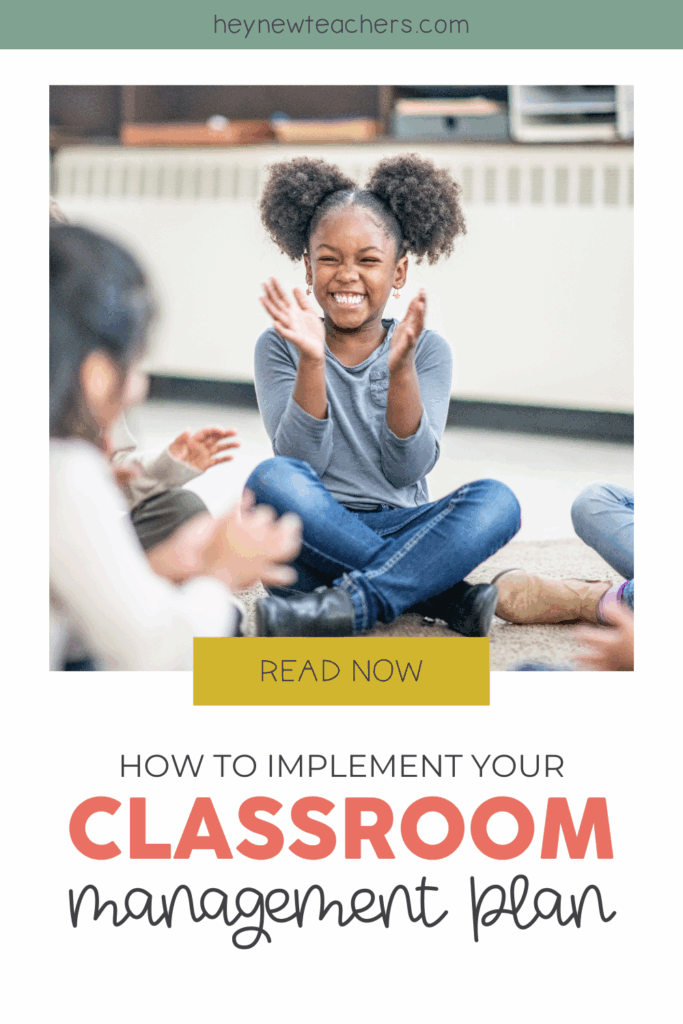
Once your plan is in place, it’s time to put it into action. Here’s what to focus on during the first few weeks of school:
- Teach everything explicitly. Don’t assume students know how to follow your rules or routines. Model them. Practice them. Repeat them.
- Reinforce consistently. Catch students doing the right thing and let them know. Use your incentive system to build momentum early.
- Reflect and adjust. Every group of students is different. Pay attention to what’s working and where students are struggling. Don’t be afraid to revise your plan if needed.
You can revisit your plan weekly, especially during the first month of school. If certain routines are off-track, reteach them. If students seem confused about expectations, clarify and practice again. Consistency and reflection go a long way in keeping your classroom on track.
Classroom Management Tools That Can Help
There’s no need to reinvent the wheel. I’ve created several classroom management resources that are designed to make this process easier for new teachers. You can check them out in my TPT store, but here are a few you might find especially helpful:
- Classroom Routines & Procedures Posters – Editable visuals for routines, procedures, and expectations
- Classroom Management Bingo – Whole-class incentive game to encourage positive behavior
- Mystery Reward Posters – A fun, low-maintenance way to motivate students
- Parent Communication Logs – Digital tools to document behavior and parent communication
- Classroom Procedures Slides – A visual way to teach and review routines with your students
Each resource is meant to support the systems you’re already building, not replace your plan, but enhance it.
Want More Support? Join the Bootcamp
If you’re feeling overwhelmed or just want a little extra guidance, the Confident from Day One Bootcamp was created for you. In Lesson 2, we walk step-by-step through designing your classroom management plan from rules and routines to incentives and behavior systems. You’ll get access to editable planning templates, training videos, and real examples from other new teachers. Plus, there are live Q&A sessions to get support when you need it.
You can learn more and sign up for the Bootcamp here. Let’s make sure you walk into the school year feeling ready and supported.
A classroom management plan isn’t about control. It’s about creating a space where students feel safe, respected, and ready to learn. When you have a plan in place, you can spend less time putting out fires and more time building relationships and helping students grow. Whether you’re teaching kindergarten or fifth grade, in-person or virtual, your plan is your foundation.
Don’t wait until things go wrong to figure it out. Start now. Think it through. And know that I’m cheering you on every step of the way.
You’ve got this.
And, make sure you download my FREE First Day of School Cheatsheet. This guide will walk you through how to plan your first day of school. Drop your name and email below, and I’ll send it straight to your inbox.